gut microbiome and its role in Inflammatory Bowel Diseases (IBD)
Understanding the Gut Microbiome and Its Role in Inflammatory Bowel Disease (IBD)
In recent years, the gut microbiome has emerged as a central player in human health, influencing everything from digestion to immunity and even mental health. Among its most profound impacts is its role in inflammatory bowel disease (IBD), a chronic condition that includes Crohn’s disease and ulcerative colitis. Understanding the intricate relationship between the gut microbiome and IBD could pave the way for more effective management and treatment strategies.
What Is the Gut Microbiome?
The gut microbiome refers to the trillions of microorganisms, including bacteria, viruses, fungi, and other microbes, that reside in the gastrointestinal tract. These microbes play essential roles in:
Digesting food: Breaking down complex carbohydrates and synthesizing vitamins.
Immune regulation: Training the immune system to distinguish between harmful and harmless entities.
Barrier function: Strengthening the intestinal lining to prevent harmful substances from entering the bloodstream.
Inflammation control: Producing short-chain fatty acids (SCFAs) like butyrate, which have anti-inflammatory properties.
Gut Microbiome Dysbiosis in IBD
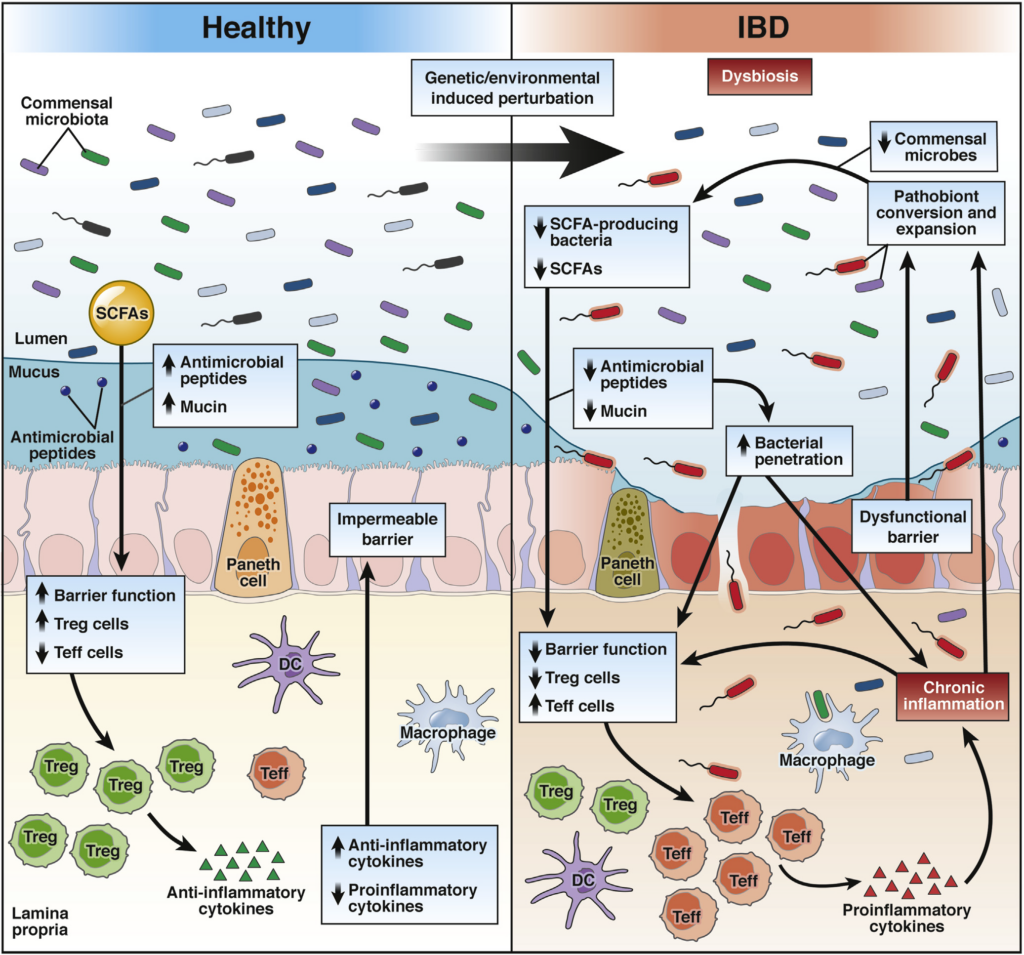
IBD is characterized by chronic inflammation of the gastrointestinal tract. Research has consistently shown that individuals with IBD have a disrupted gut microbiome, a condition known as dysbiosis. Key features of dysbiosis in IBD include:
Reduced Microbial Diversity: A healthy gut microbiome is diverse, with various beneficial species coexisting. In IBD, this diversity is significantly reduced.
Overgrowth of Pathogenic Bacteria: Harmful bacteria such as Escherichia coli and Clostridioides difficile often dominate the gut in IBD patients.
Decline in Beneficial Bacteria: Species like Faecalibacterium prausnitzii and Lactobacillus that produce anti-inflammatory compounds are notably decreased.
Imbalance of Metabolites: Dysbiosis disrupts the production of SCFAs, leading to increased gut permeability and inflammation.
Triggering Inflammation: An imbalanced microbiome can activate immune cells, leading to chronic inflammation in the gut lining.
Compromising the Gut Barrier: Dysbiosis weakens the intestinal barrier, allowing harmful substances and bacteria to enter the bloodstream and exacerbate inflammation.
Altering Immune Responses: Beneficial microbes that help regulate immune responses are often depleted in IBD, leading to an overactive immune system.
Hyperimmune IgY: Targeting Pathogenic Bacteria in the Gut
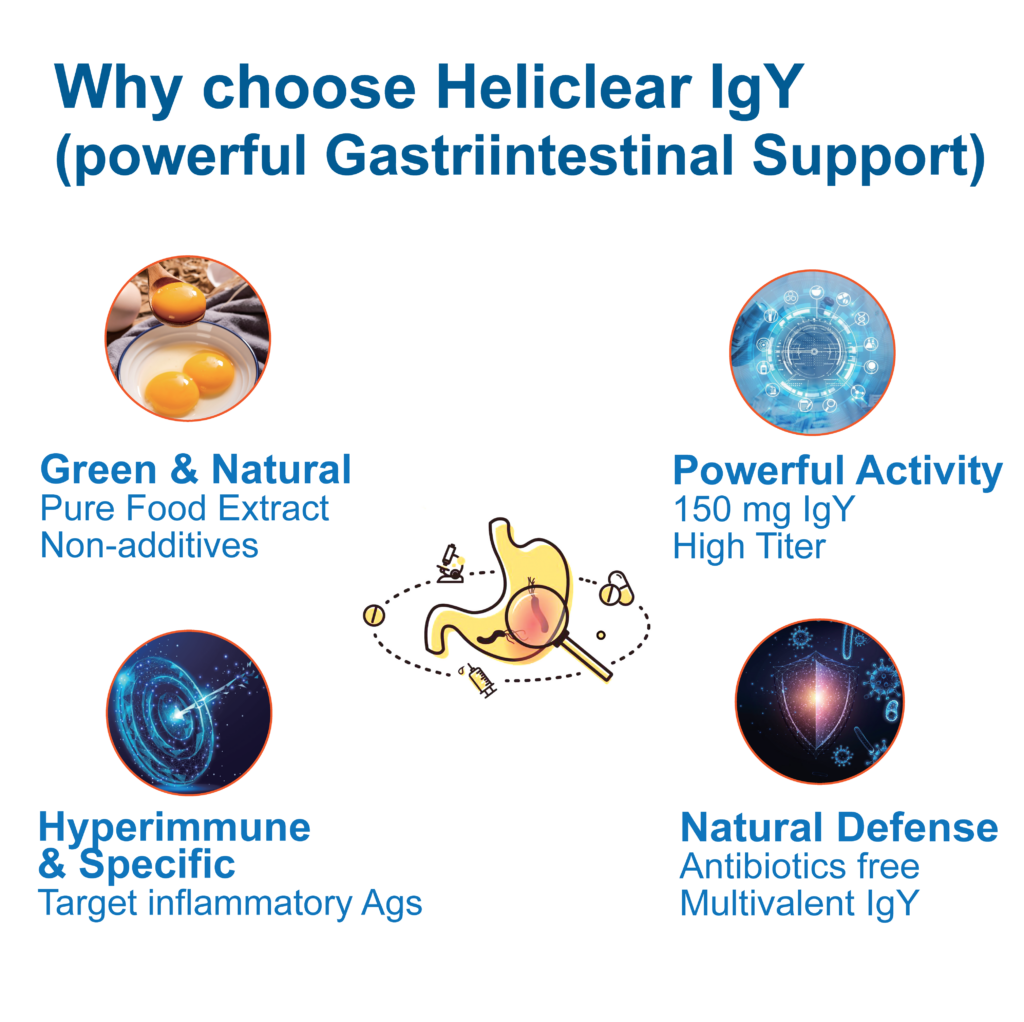
Hyperimmune IgY is a revolutionary approach to managing gut dysbiosis by specifically targeting harmful bacteria. Derived from hens immunized with specific antigens, hyperimmune IgY binds to and neutralizes pathogens without disrupting the beneficial microbiota. For individuals with IBD, hyperimmune IgY offers several advantages:
Selective Targeting: Unlike antibiotics, hyperimmune IgY specifically targets pathogenic bacteria like Escherichia coli and Clostridioides difficile, reducing their harmful effects while preserving gut microbiome diversity.
Reducing Inflammation: By neutralizing bacterial toxins, hyperimmune IgY helps lower gut inflammation associated with IBD.
Strengthening the Gut Barrier: This targeted action supports the repair and integrity of the intestinal lining.
Natriviga’s HeliClear and CarciClear products utilize hyperimmune IgY technology to address dysbiosis and improve gut health. These products provide a natural, safe, and effective way to combat pathogenic bacteria, making them an ideal addition to IBD management strategies.
Strategies for Managing IBD Through the Gut Microbiome
Probiotics: Introducing live beneficial bacteria through probiotics can help restore balance in the gut. Strains like Lactobacillus rhamnosus and Bifidobacterium bifidum have shown promise in alleviating IBD symptoms.
Prebiotics: These are dietary fibers that feed beneficial bacteria, promoting their growth. Foods rich in inulin, pectin, and resistant starch are excellent choices.
Fecal Microbiota Transplantation (FMT): This experimental treatment involves transferring fecal matter from a healthy donor to the patient’s gut to restore microbial diversity.
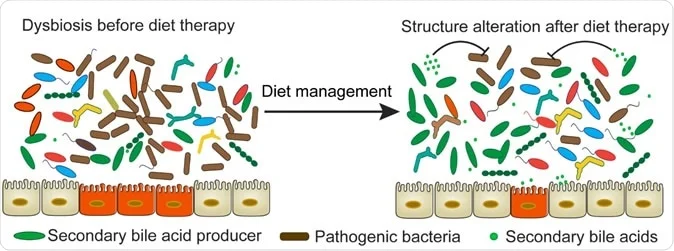
Dietary Changes: Diets like the low FODMAP diet or specific carbohydrate diet (SCD) can help reduce symptoms by eliminating foods that exacerbate inflammation or dysbiosis.
Targeted Therapies: Emerging treatments aim to modulate the microbiome directly, such as using bacteriophages to target harmful bacteria, engineered probiotics to deliver therapeutic molecules, and hyperimmune IgY to neutralize pathogens.
Supporting Gut Health with Natriviga Probiotics & IgY Products
Natriviga’s advanced probiotic formulations are specifically designed to support gut health and combat dysbiosis. Our 5-in-1 Probiotics contain 31 carefully selected strains, prebiotics, and essential vitamins to:
Restore microbial balance
Reduce inflammation
Strengthen the gut lining
Improve overall digestive health
By incorporating Natriviga Probiotics into your daily routine, you can take proactive steps to support your gut microbiome and manage IBD symptoms more effectively. Explore Natriviga’s Probiotics to learn more.
Powerful GI support from Natriviga Hypperimmune IgY
Conclusion
The gut microbiome holds the key to understanding and managing IBD. By focusing on restoring microbial balance through probiotics, prebiotics, dietary changes, and emerging therapies like hyperimmune IgY, individuals with IBD can improve their quality of life. Whether you’re managing mild symptoms or seeking long-term solutions, prioritizing gut health is an essential step in your journey to wellness.